By: Kirsten Millar
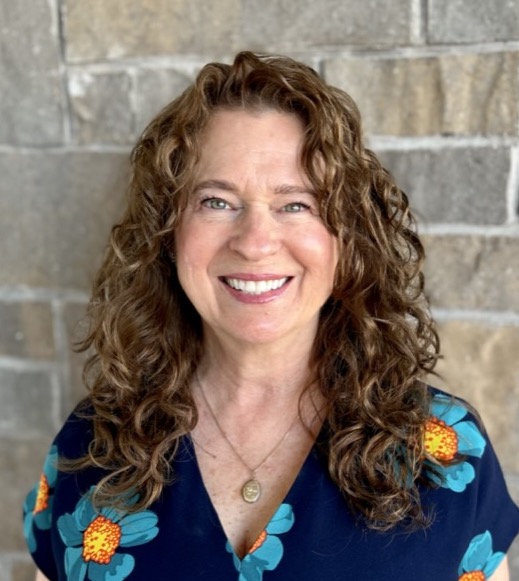
Dr. Megan Aston is a Professor in the School of Nursing at Dalhousie University.
Can you tell us a little bit about your field of research?
My program of research focuses on family, perinatal, child and newborn health. I use qualitative feminist poststructuralism informed by discourse analysis to examine how nurses, healthcare professionals, and clients negotiate beliefs, values, and practices that have been socially and institutionally constructed through relations of power. I have secured provincial and national funding to support research studies in Nova Scotia and Tanzania. These include: the virtual village online postpartum support sessions, mapping mothers’ social networks; postpartum home visits; hospital experiences of children with intellectual disabilities, their parents, and nurses; 2SLGBTQ+ compassion; queer women’s birthing experiences; obesity management; and nurses’ bereavement support experiences. Learning from health systems globally is helping us to accelerate better care here in Nova Scotia and ensures our policy decisions have the best evidence behind them.
What led you to this field/inspired you to do this work?
Mothering/parenting in the first 6 to 12 months postpartum (and beyond) is difficult and is often invisible. I want diverse voices and experiences of mothers/parents to be heard so that we can better understand how and where they want to access information and support. Only then can significant changes be made to better support parents. It is important to challenge stigma and stereotypes in the areas of perinatal and childhood health.
How does your research translate into healthcare solutions for the patient/public?
Our research findings are informed by personal experiences of parents, children and healthcare providers. These findings can then be used by healthcare providers and parents to change practices. Recommendations focus on how practices can be more equitable to better support all new parents. For example, we have developed a Toolkit for online postpartum support sessions that was informed by interviews with parents.
What is the biggest challenge/opportunity in your field of research?
The biggest challenge is our ability to significantly change embedded socially constructed, stereotypical ideas and practices about mothering/parenting, and disabilities that hide the realities of their experiences.
Why is research and participation in research important?
Research helps us to address inequities in society and contributes to evidence-based practice. Researchers rely heavily on participants to participate in their research studies. Without participants, there would be no research. It is a fantastic way to pay it forward for fellow citizens as we learn together.
What does the ideal future in your field of research look like to you?
Research can provide opportunities and spaces to hear the voices of those who have been historically under-represented or harmed by research in the past. Research should be used to address inequities in society and ultimately inform and change the health care system to be anti-racist, anti-colonialist, anti-homophobic, and anti-disablist. We need to continue to include all mothers/parents and health care providers who work with mothers/parents, in research where their experiences and voices can have an impact on health care practices.
There are over 100 affiliate scientists working with various teams across research, innovation and discovery at Nova Scotia Health. The contributions they make to our health care system enables Nova Scotia Health to attract and retain students and future health researchers as well as other leading scientists from across the globe.
Research is care, and clinical studies help translate research into potentially life-changing therapies that can help you, your friends and your loved ones. Want to know more about how to get involved? Visit Nova Studies Connect today: novastudiesconnect.ca
