
Nova Scotia’s diverse ecosystem invites outdoor activities year-round, but the wooded and leafy areas that tend to attract outdoor activity are also home to many different types of ticks.
While tick activity surges with warmer weather, ticks are found even during fall and winter months. There are several kinds of ticks in Nova Scotia, including the blacklegged tick, which is known to transmit diseases such as Lyme disease, anaplasmosis, babesiosis and Powassan virus infection.
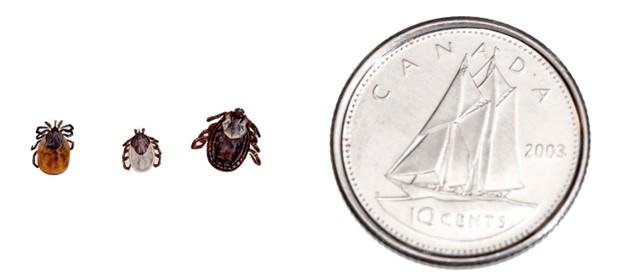
One of the main concerns associated with tick bites is Lyme disease. Lyme disease can manifest with a range of symptoms, including fever, fatigue, joint pain, and characteristic bull's-eye rash. If left untreated, it can lead to more severe complications affecting the heart, joints and nervous system.
Whether you spend time gardening in your backyard in the middle of the city, or hiking secluded trails deep in the forest, it’s important to practice tick safety:
- Wear long pants and long sleeves in areas likely to have ticks. Wear enclosed shoes and tuck your pants into your socks. Light colours make it easier to see ticks.
- Walk on well-travelled trails and paths, avoiding long grass and vegetation
- Apply insect repellents approved by Health Canada to exposed skin and clothes
- If you have pets that go outdoors talk to your vet about tick prevention options
- Perform tick checks after outdoor activities, thoroughly check yourself, children, and pets for ticks. Pay close attention to areas such as the scalp, armpits, groin, and behind the ears.
- If you find a tick attached to your skin, carefully grasp the tick with tweezers. Get as close to the skin as you can. Gently and slowly pull the tick straight out. Do not jerk, twist or squeeze it. Wash the site with soap and water or alcohol-based sanitizer.
- Record the date and time.
If you have tick related questions, believe that you have been bitten by a blacklegged tick, or experience an unusual reaction to a tick bite, call 811, download the YourHealthNS app or visit the Nova Scotia Health Tick Service website.
