By: Heide Pearson
Nurses play many important roles in a patient’s healthcare journey, including monitoring vitals and implementing cutting-edge health care tools in clinical settings. But you may not know that they also play a critical part in innovation - helping to carry out research into new healthcare delivery methods all across the province, with projects spanning cancer care, surgical procedures, wound care, cardiac care, drug treatments and more.
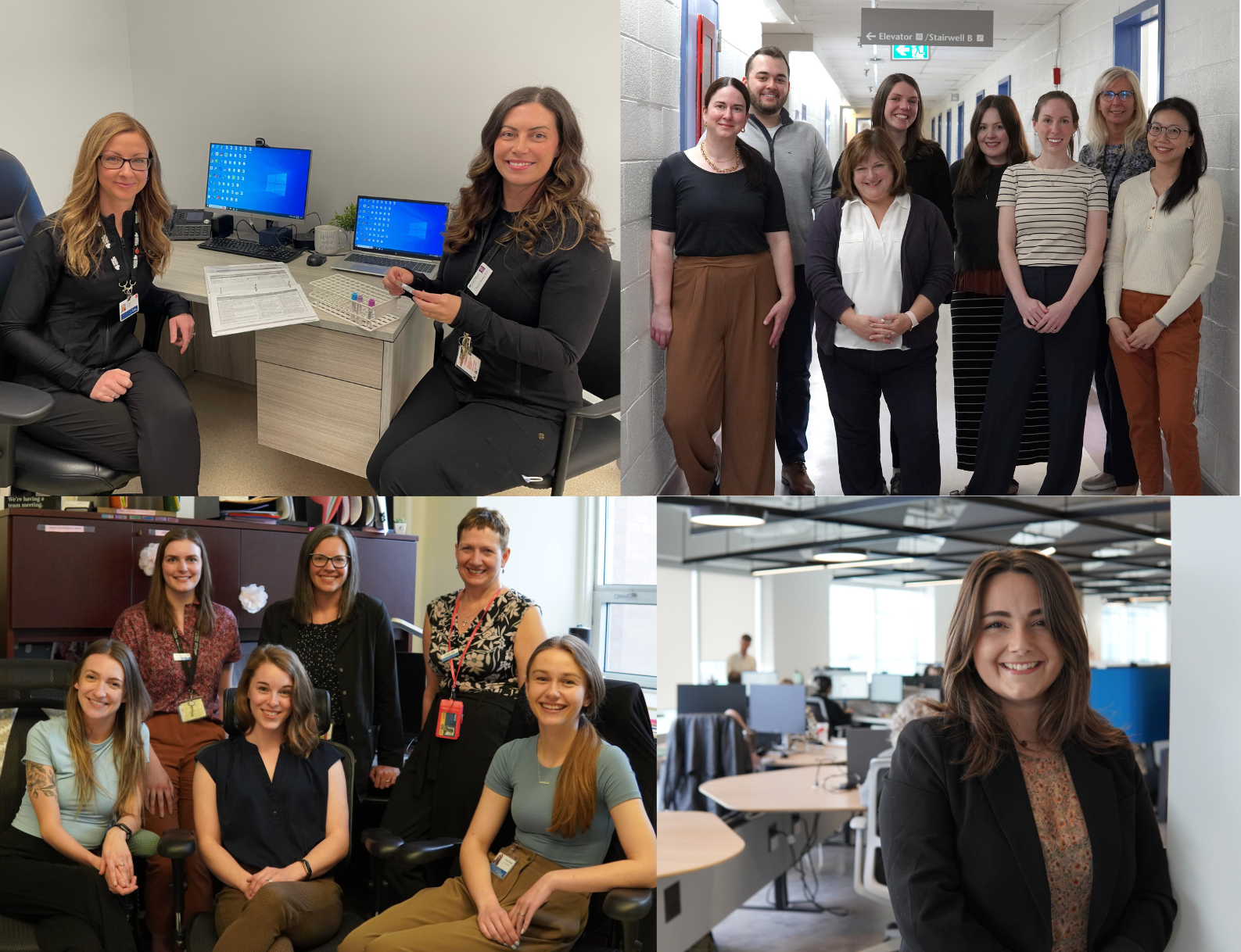
“As a nurse, you are someone that's using the new technologies that are brought in.” said Ronni Bellefontaine, registered nurse and clinical innovation manager at the Nova Scotia Health Innovation Hub. “You're on the receiving end of that larger change within healthcare.”

Bellefontaine started out her career in cardiac care nursing, before transitioning to the Health Innovation Hub to use her skills and education to impact patients in another way. She feels that the knowledge and experience gained at the bedside has given her the tools to provide advice on what new technologies and techniques to deploy, where and when.
“As a nurse, your love is to bring quality and compassionate care to patients. My love will always be at the bedside, but I still feel like I’m impacting patients and providing care, just in a different way. I see the value in innovation and the difference it’s making in care,” she said. “If I didn’t see the value it’s bringing to patients, I wouldn’t be here.”
Alexandra Szeto, a registered nurse and oncology research coordinator at the Cape Breton Regional Hospital, agrees with the sentiment.
“Research provides patient with an opportunity to receive treatments that otherwise would be unavailable to them, which is so important,” said Szeto.
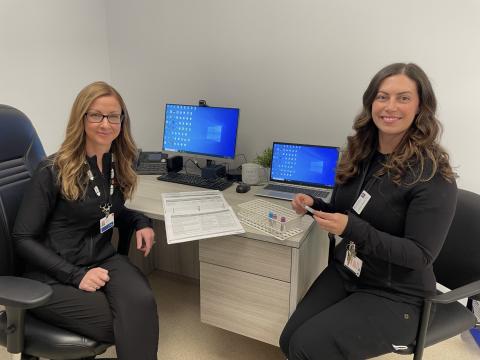
Szeto and her fellow research coordinator, registered nurse Cheryl Barrie, are part of the large team conducting clinical research and trials in the Eastern Zone, allowing more patients to benefit from expanded care options, while also allowing researchers to cast a wider net across the population.
“Patients can join these exciting new trials with the most up-to-date treatments, and they don't have to travel to Halifax. It’s right here at home,” Barrie said.
“Patients have a huge burden on themselves during their healthcare journey, let alone joining a study and having extra visits and extra requirements,” she added. “So, we try to make it as easy as possible for them to get the best possible care.”
In Halifax, at the Centre for Clinical Research, the nurses on the Atlantic Canada Cancer Care Research Unit (ACCRU) are also working with their team of researchers, doctors, technicians and more to secure the best care for their patients.
“Really, research is care for some patients,” said registered nurse Lorrie Ann Yunace.
“In oncology, and likely other settings, the research is the best treatment for them. So, it's not a secondary, it is really another treatment option, and sometimes the best option for the patient.”
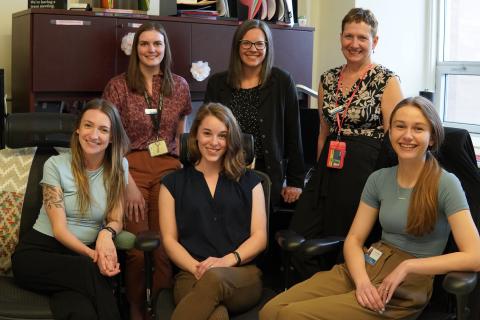
For the nurses on the ACCRU team, using treatment options that were once the subject of their own research and clinical trials gives them the passion to continue forging new streams of healthcare delivery through the trials they carry out every day.
“It's just so important to realize that all of the treatments we're giving patients today came from research,” said registered nurse Victoria Roberts.
“Things wouldn't be implemented – different practices, different chemo therapies, immunotherapies – none of that would be in play today if we hadn't have done these clinical trials and research."
And just down the hall from the ACCRU team at the Centre for Clinical Research, you’ll find the nurses on the hematology research team administering treatments to their patients that aren’t available in other parts of the country and in doing so, building infrastructure that will change the face of cancer care.
"We see patients when they're really sick at the bedside, and if we can prevent that from happening through research, if we can help with the whole disease process, then why wouldn't you do that?” said registered nurse Judith James.
"It's important to note that research with nursing isn't just sitting behind a computer, we interact with patients all the time.”
“We help manage their symptoms and their side effects, we have a strong relationship with the patient. The patient calls us when they have any issues with anything – they have a direct line to us, really. So, it's a way that they can have more direct, personal care.”
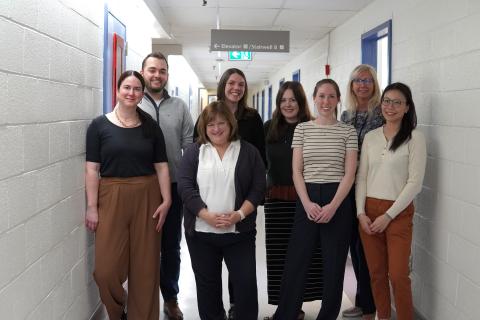
Susan Pleasance, registered nurse and associate director of hematology research, said she'd like to see more nurses explore using their skills in the research and clinical trials space.
"Being a clinical trials coordinator is so rewarding as a nurse and most nurses are not aware of this exciting, growing area in our profession," she said.
It’s clear that across the province, nurses working in research are driven by a shared passion: improving patient care in every way possible; through the technologies and techniques that are selected and tested, through the care provided to patients throughout trials, and through the exploration of new treatments.
"Nurses really want the best for our patients. That's the same for research nurses -- we really do want to see them thrive,” Barrie said.
“We hope that they're going to get a benefit from the trial. We hope the masses will get a benefit from all the trials."
